

Research use only — Not for human consumption.
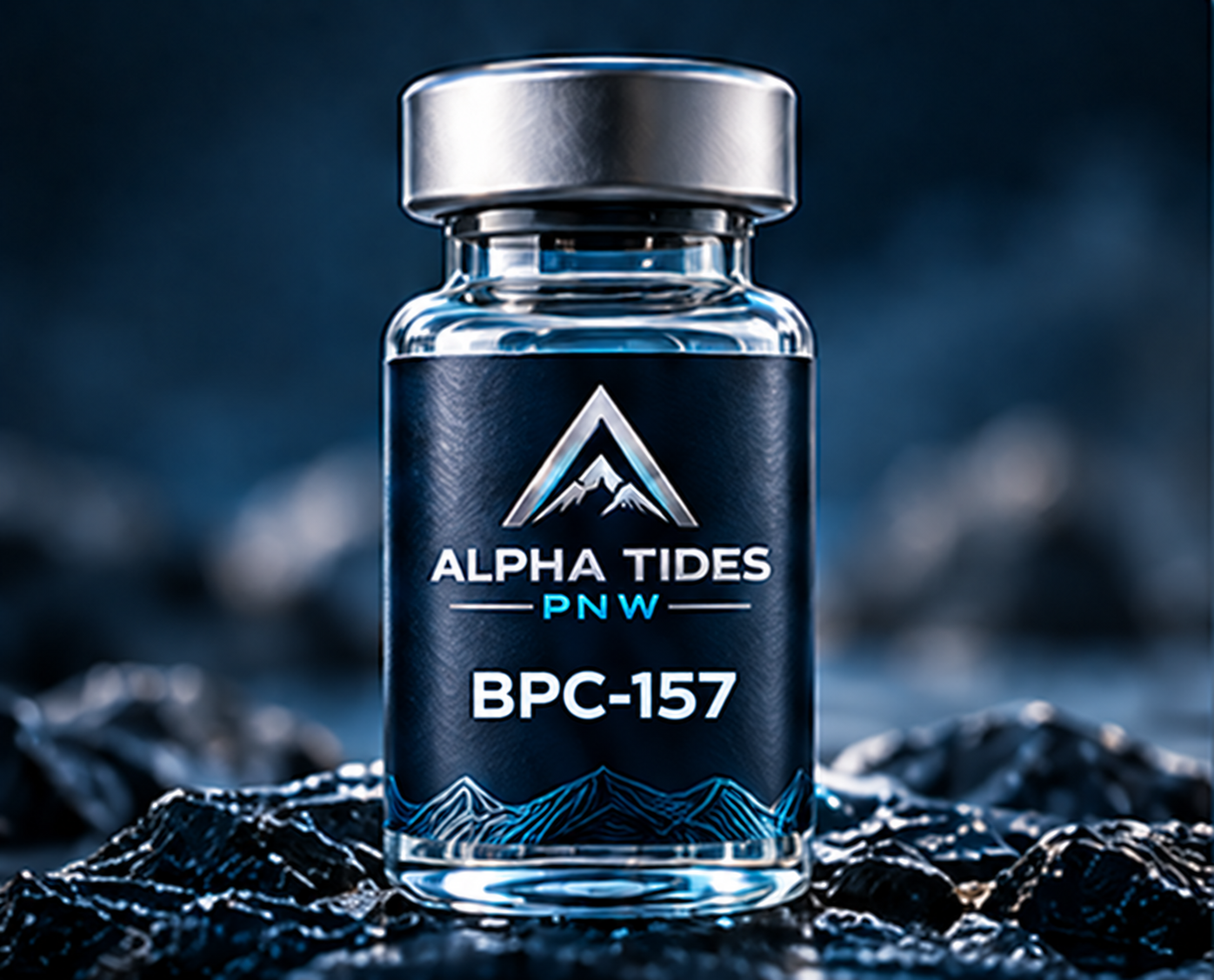
BPC-157 10mg
BPC-157 is studied in research involving tissue repair, recovery, and protective signaling pathways. Researchers commonly investigate its relationship with connective tissue and biological processes involved in…
Out of stock
Standard & Express ShippingStandard $5.99 · Express $11.99
Free Express on orders over $180.
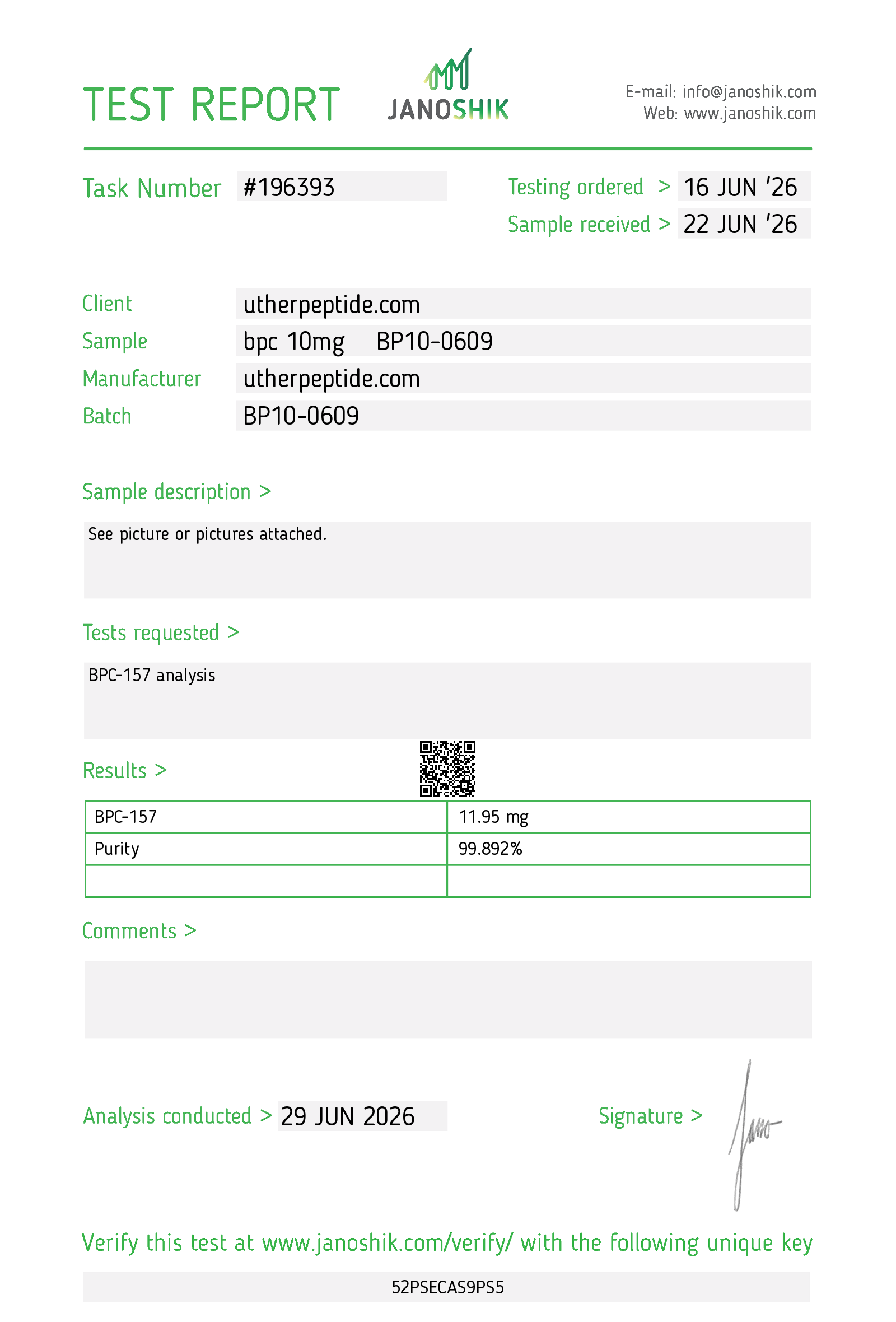
Documentation AvailableView the applicable product COA.
Research Use OnlyNot for human or animal consumption.
Product Details
BPC-157 (Body Protection Compound-157) is a synthetic pentadecapeptide consisting of 15 amino acids. It has been examined in laboratory and preclinical research involving peptide chemistry, molecular signaling, and experimental biological pathways. BPC-157 remains a subject of ongoing scientific investigation across multiple controlled research models.
Product Information
Form: Lyophilized powder
Contents: 10mg per vial
Sequence: Gly-Glu-Pro-Pro-Pro-Gly-Lys-Pro-Ala-Asp-Asp-Ala-Gly-Leu-Val
Molecular weight: 1419.5 Da
Storage: −20°C lyophilized; 2–8°C after reconstitution
Use: For laboratory and in vitro research use only
Purity
99.89%
Research Applications
Peptide Research: Experimental studies involving the chemical and structural characteristics of BPC-157.
Molecular Signaling Research: Laboratory investigations examining BPC-157 in relation to selected molecular and cellular signaling pathways.
Receptor and Pathway Studies: Research examining interactions between BPC-157 and experimental biological pathways.
Preclinical Model Research: Controlled laboratory studies investigating BPC-157 across different experimental research models.
Comparative Research: Studies comparing BPC-157 with other compounds in controlled laboratory settings.
Research Notes
BPC-157 has been included in laboratory and preclinical studies examining peptide-related molecular pathways and experimental biological interactions. Researchers continue to investigate its biochemical characteristics and behavior across different controlled research models.
Published research has explored BPC-157 in a variety of experimental settings. These studies provide ongoing opportunities for researchers to examine peptide-related signaling, molecular interactions, and other experimental variables.
BPC-157 remains an active subject of scientific investigation, and its mechanisms and experimental characteristics continue to be evaluated in laboratory and preclinical research.
Documentation
Supplier-provided laboratory documentation is available for this product. This report was not independently commissioned by Alpha Tides PNW — see our Certificates of Analysis page for the full document and source notes.
Frequently Asked Questions
What is BPC-157 used for in research?
BPC-157 is studied primarily in tissue repair models (GI, musculoskeletal, skin), angiogenesis pathways, and inflammatory signaling research. It is one of the most cited repair compounds in preclinical research literature.
How is BPC-157 different from TB-500?
BPC-157 is a 15-amino acid compound derived from gastric juice with well-studied GI and connective tissue applications. TB-500 is a synthetic analog of Thymosin Beta-4 focused on actin regulation and cell migration. Both are studied for tissue repair but via distinct mechanisms. The KLOW Compound Blend combines both alongside GHK-Cu and KPV for multi-pathway repair research.
How should BPC-157 be stored?
Store lyophilized vials at −20°C away from light and moisture. After reconstitution with bacteriostatic water, refrigerate at 2–8°C and use within 28 days.
BPC-157 is intended strictly for laboratory research by qualified professionals. It is not FDA approved and is not for human or animal use. By purchasing, the buyer confirms the product will be used solely for in vitro research in compliance with all applicable laws and regulations.
BPC-157 is studied in research involving tissue repair, recovery, and protective signaling pathways. Researchers commonly investigate its relationship with connective tissue and biological processes involved in recovery.
For laboratory research use only. Not for human or animal consumption.