
Overview
AT-T2 is studied in research involving metabolic signaling, appetite regulation, and glucose-related pathways. Researchers examine how its signaling activity influences energy balance and other metabolic processes.
Technical Research Details
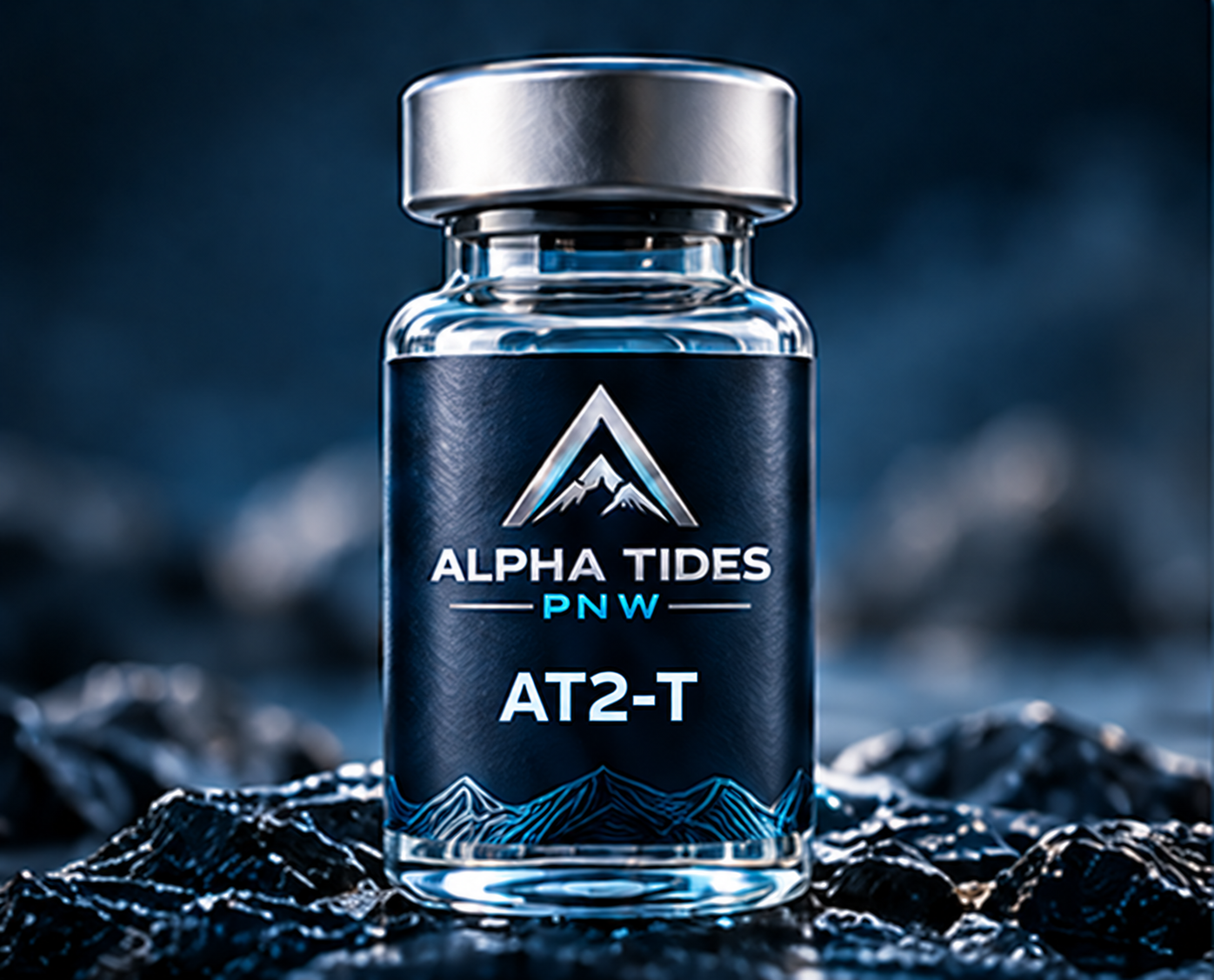
AT-T2 (Tirz) is a synthetic 39-amino acid dual incretin receptor agonist, a co-agonist at both GIP (glucose-dependent insulinotropic polypeptide) and GLP-1 (glucagon-like peptide-1) receptors. It is among the most extensively studied dual-agonist peptides available for metabolic research. A fatty diacid moiety attached to the backbone binds to albumin, prolonging plasma half-life to approximately five days — significantly longer than native incretins.
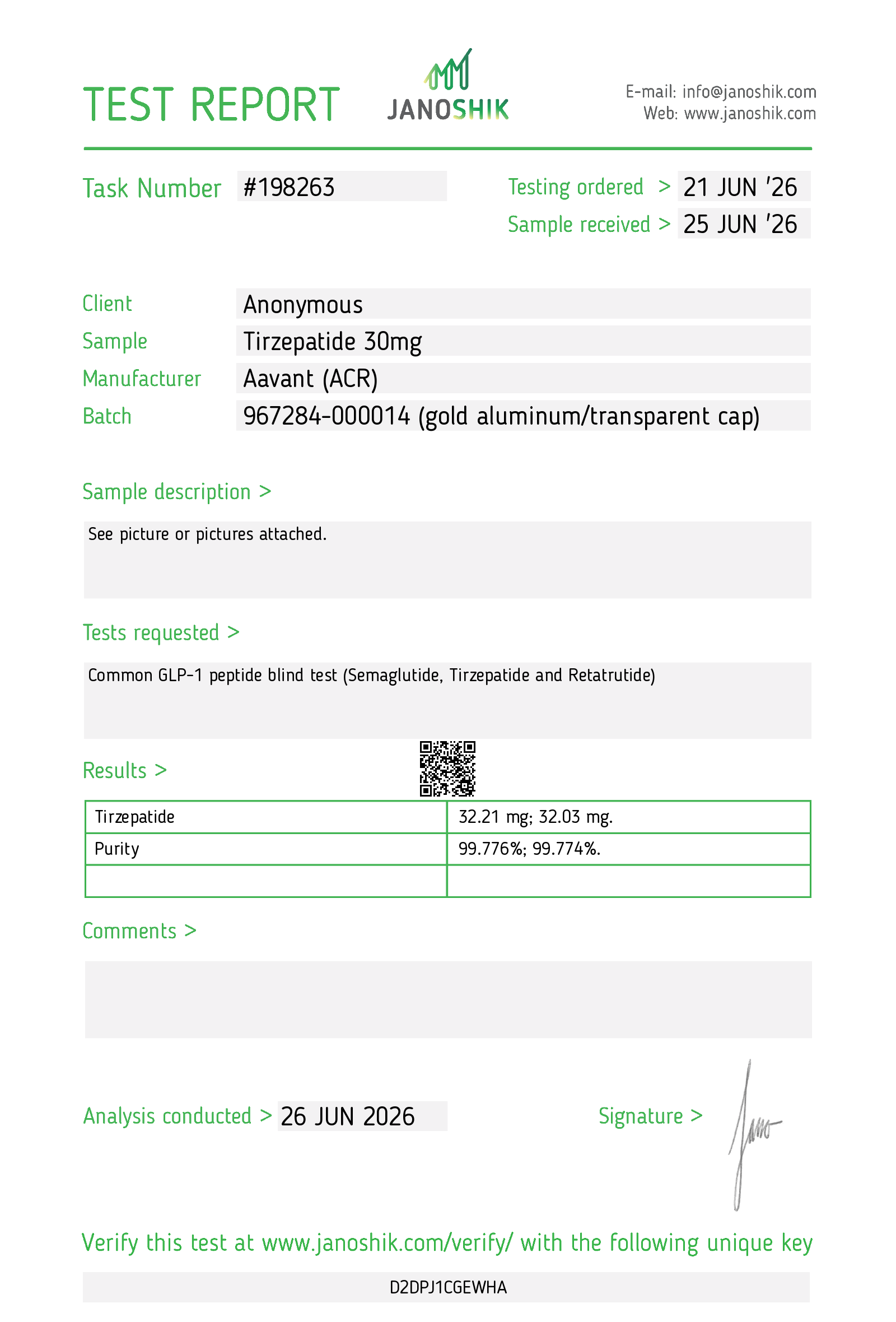
Alpha Tides PNW supplies AT-T2 in 10mg and 30mg vial sizes for laboratory research use. Batch-specific laboratory documentation is available for both sizes — see our Certificates of Analysis page for details, including which report was independently commissioned and which was supplier-provided.
Research Applications
- Incretin biology: GIP and GLP-1 receptor co-activation and downstream cAMP-dependent insulin secretion studies
- Metabolic research: Body composition studies in preclinical models
- Hepatic lipid research: Liver lipid content research models
- Cardiovascular research: Incretin receptor effects on cardiac function and vascular outcomes
- Gut integrity studies: GLP-1 receptor effects on gastric emptying and gastrointestinal motility
- Comparative pharmacology: GIP/GLP-1 dual agonism versus single agonist receptor engagement studies
Research Notes
Co-activation of GLP-1 and GIP receptors produces a synergistic insulin secretion response exceeding what either hormone achieves alone. AT-T2 binds the GIP receptor with affinity comparable to native GIP, while engaging the GLP-1 receptor at intentionally lower affinity to balance efficacy and tolerability in dose-ranging studies. This receptor balance is a key design feature distinguishing it from earlier single-agonist GLP-1 compounds.
AT-T2 (Tirz) is among the most-studied dual-incretin peptides in current metabolic research literature. Ongoing research is examining hepatic lipid content, cardiovascular research markers, and other metabolic research endpoints for this compound class.
The albumin-binding fatty diacid modification extends plasma half-life to ~5 days, making dosing interval and pharmacokinetic design an important variable in preclinical research protocols.
Storage Notes
- Before reconstitution: Store lyophilized vials at −20°C, protected from light and moisture. Allow to reach room temperature before opening.
- After reconstitution: Refrigerate at 2–8°C and use within 28 days. Avoid repeated freeze-thaw cycles.
- Recommended solvent: Bacteriostatic water for most research protocols.
Related Research
- How to Store Research Compounds Properly — Storage protocols for lyophilized compounds
- How to Reconstitute Lyophilized Peptides — Step-by-step reconstitution guide
- Research Hub — Full library of compound guides and research references
- AT-T2 (Tirz) Research Vials: 10mg vs 30mg — Choosing between vial sizes for a research protocol
AT-T2 (Tirz) is intended strictly for laboratory research by qualified professionals. It is not FDA approved and is not for human or animal use. Not intended to diagnose, treat, cure, or prevent any disease. By purchasing, the buyer confirms the product will be used solely for in vitro research in compliance with all applicable laws and regulations.
Laboratory Testing
Certificate available