
Lyophilized compounds are supplied as freeze-dried powder to maximize stability during storage and shipping. Before use in laboratory research, the powder must be reconstituted by adding a suitable solvent. This guide covers the standard reconstitution process used in research settings.
What is Lyophilization?
Lyophilization, or freeze-drying, removes water from a compound under low temperature and vacuum pressure. The result is a stable powder that resists degradation and can be stored long-term at -20°C. All peptides supplied by Alpha Tides PNW are provided in lyophilized form for maximum shelf stability.
Choosing a Reconstitution Solvent
The most commonly used solvent is bacteriostatic water — sterile water containing 0.9% benzyl alcohol, which inhibits microbial growth and extends the usable life of the reconstituted solution. Alpha Tides stocks research-grade Bacteriostatic Water (BAC Water) for this purpose.
Other solvents used in research settings include:
- Sterile water for injection
- 0.1% acetic acid — for peptides with low water solubility
- DMSO — for highly hydrophobic compounds
Bacteriostatic water is the standard choice for most research compounds including CJC-1295 + Ipamorelin, Tesamorelin, and AT-R3 (Reta). Solvent choice and pH both affect how readily a given sequence dissolves and how stable it stays in solution afterward — a review of formulation strategies for peptide stability in aqueous solutions covers the underlying chemistry in more depth than a single how-to guide can.
Step-by-Step Reconstitution Protocol
Having the right essential lab equipment for peptide research on hand before starting makes this process go smoothly.
- Step 1: Allow the lyophilized vial to reach room temperature before opening. This prevents moisture condensation on the powder.
- Step 2: Draw the desired volume of bacteriostatic water into a sterile syringe.
- Step 3: Insert the needle and direct the solvent toward the inner glass wall of the vial — not directly onto the powder.
- Step 4: Gently swirl the vial until fully dissolved. Do not shake or vortex aggressively.
- Step 5: The solution should be clear with no visible particulates. If cloudy, consult the compound solubility data.
Calculating Concentration After Reconstitution
The volume of solvent added determines the final concentration of the reconstituted solution — this is simple dilution math, but it’s the step where research protocols most often go wrong. The relationship is:
Concentration (mg/mL) = Total peptide mass in the vial (mg) ÷ Volume of solvent added (mL)
For example, a 10mg vial reconstituted with 2mL of bacteriostatic water yields a 5mg/mL solution; the same vial reconstituted with 5mL yields 2mg/mL. Neither the powder nor the reconstitution process changes the total mass in the vial — only the concentration per mL changes with the volume of solvent used. Researchers working out volumes for a specific protocol can use the Alpha Tides reconstitution guide rather than computing this by hand for every batch.
Signs of Improper Reconstitution
A properly reconstituted solution should be visually clear with no floating particulates, film, or discoloration. Common signs that something went wrong during reconstitution include:
- Persistent cloudiness — usually means the solvent choice doesn’t match the compound’s solubility profile (see the acetic acid / DMSO options above), or the vial wasn’t given enough time to fully dissolve
- Visible particulates or flecks — can indicate incomplete dissolution, or that the powder was disturbed by aggressive shaking rather than gentle swirling
- Discoloration — most lyophilized research compounds reconstitute to a clear, colorless solution; a change in color can indicate degradation or contamination and is a reason to consult the compound’s Certificate of Analysis rather than proceed with the batch
- Foaming — usually caused by shaking or vortexing instead of gentle swirling, and can denature the peptide structure
If any of these occur, cross-check against the specific compound’s solubility notes before assuming the vial itself is compromised — some compounds are simply more solvent-sensitive than others.
Reconstitution Notes by Compound
General technique is the same across compounds, but a few notes are worth knowing for the specific research materials Alpha Tides PNW supplies:
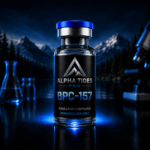
- BPC-157 — Reconstitutes readily in bacteriostatic water; no special pH adjustment typically needed.
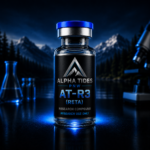
- AT-R3 (Reta) — Standard bacteriostatic water reconstitution; swirl gently rather than shake to avoid disrupting the larger peptide structure.
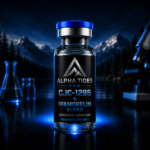
- CJC-1295 + Ipamorelin — Both components reconstitute well in bacteriostatic water; supplied pre-blended so only one reconstitution step is needed for the combination.
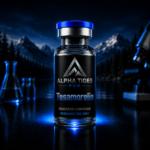
- Tesamorelin — Standard reconstitution; use promptly relative to other compounds on this list, as its reconstituted shelf life (about 21 days) is shorter than average.
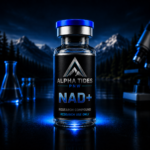
- NAD+ — More light- and temperature-sensitive once in solution than most compounds on this list; reconstitute just before the working session where practical.
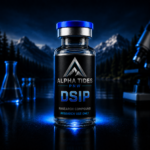
- DSIP — Standard bacteriostatic water reconstitution; a short-sequence peptide with no unusual solubility considerations.
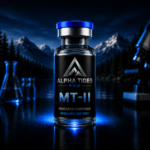
- MT-II — Reconstitutes in bacteriostatic water; some researchers report slightly better solubility with a brief room-temperature equilibration before adding solvent.
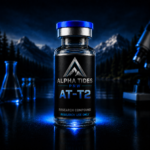
- AT-T2 (Tirz) — Standard reconstitution protocol, consistent with other GLP-1/GIP-family research compounds.
- KLOW — Because this is a pre-combined multi-compound blend, it’s reconstituted once as a single vial rather than reconstituting each component separately — see the KLOW Blend research guide for what’s in the mix.
How to Store Reconstituted Peptides
Knowing how to store reconstituted peptides correctly is as important as the reconstitution protocol itself. Reconstituted peptide solutions should be stored at 2–8°C and used within 28–30 days. Avoid repeated freeze-thaw cycles, as each cycle degrades compound integrity. Keep solutions away from light and heat at all times.
For peptides requiring longer storage, aliquot the reconstituted solution into single-use portions before freezing at -20°C. Lyophilized powder that has not been reconstituted — and guidance on how to store lyophilized compounds before use — is covered in detail in our Research Peptide Storage Guide.
For a comprehensive storage reference, see our Research Peptide Storage Guide.
Documenting the Reconstitution Protocol
For research to be reproducible, the reconstitution step needs to be recorded with the same rigor as any other part of the protocol — not treated as a one-off prep task. A useful record includes:
- Vial lot/batch number, cross-referenced against the compound’s Certificate of Analysis
- Solvent used and its volume, to the precision the protocol calls for
- Resulting concentration (mg/mL), calculated rather than assumed
- Date and time of reconstitution, since shelf life is measured from this point, not from the original vial’s manufacture date
- Storage condition immediately after reconstitution (refrigerated vs. frozen aliquot)
This is a small amount of extra bookkeeping that pays off if a result needs to be revisited or a batch needs to be cross-checked later — particularly in any protocol using multiple vials or multiple compounds side by side, where mixing up which vial was reconstituted at what concentration is the most common avoidable error.
Purity Verification and COA Documentation
Alpha Tides PNW provides Certificates of Analysis for select products. COA documents confirm compound identity and purity through independent third-party laboratory analysis (Janoshik Analytical). Browse the Certificate of Analysis library for batch-specific documentation, or read more about our testing standards. Reconstitution can’t fix a compound that wasn’t sourced correctly in the first place — see how to evaluate third-party testing for what to look for before a compound ever reaches the reconstitution step. Questions about a specific order can go through our contact page, and general delivery timelines are on our shipping policy.
Related Research Guides
- How to Store Research Compounds Properly — Complete storage reference for lyophilized and reconstituted compounds
- KLOW Blend: A Multi-Compound Research Formula for Recovery Studies — Multi-compound research blend overview
- Essential Lab Equipment for Peptide Research — What you need on hand before reconstituting a vial
Explore Research Categories
- Research Guides — Full library of compound guides and protocols
- Research Compound Shop — COA-verified lyophilized research compounds from Alpha Tides
Continue exploring at the Alpha Tides Research Hub for additional guides covering compound profiles, compound stacks, storage protocols, and more.
The compound(s) discussed in this article are available with a Certificate of Analysis on the Alpha Tides shop.
Frequently Asked Questions
Bacteriostatic water is the most commonly used solvent for research compounds. The 0.9% benzyl alcohol content inhibits microbial growth, extending the usable life of reconstituted solutions to 28–30 days under refrigeration.
Allow the vial to reach room temperature, then inject bacteriostatic water slowly along the inner vial wall using a sterile syringe. Gently swirl until fully dissolved — do not shake. The solution should be clear with no visible particulates.
The volume depends on the concentration required by the research protocol. A common starting point is 1–2mL of BAC water per vial, but the optimal ratio varies by compound and experimental design.
Sterile water can be used but lacks a preservative. Solutions made with sterile water should be used within a few days to reduce contamination risk. Bacteriostatic water is preferred for most laboratory research applications. See our full Bacteriostatic Water vs Sterile Water comparison for more on this tradeoff.
Divide the total peptide mass in the vial (in mg) by the volume of solvent added (in mL). A 10mg vial with 2mL of bacteriostatic water added yields 5mg/mL. The reconstitution guide automates this for common vial sizes.
Cloudiness usually means the solvent doesn't match the compound's solubility profile, or the powder hasn't fully dissolved yet. Gently swirl for longer before concluding there's a problem; if cloudiness persists, cross-check the specific compound's solubility notes rather than assuming the vial is compromised.
Research Compounds
Research Use Only — Not for Human or Animal Consumption. Content is provided for informational and educational purposes and does not constitute medical advice.
Continue Your Research
Browse the full catalog of COA-verified research compounds.
Shop All Compounds →